Unicorn: A Joyful Font for Creative Projects
When I began redesigning my lifestyle blog, I knew the right font could make all the difference. It wasn’t just about aesthetics—it was about creating a tone that felt warm, inviting, and authentic. That’s when I discovered Unicorn, a handwritten script font that brought a playful energy to every page.
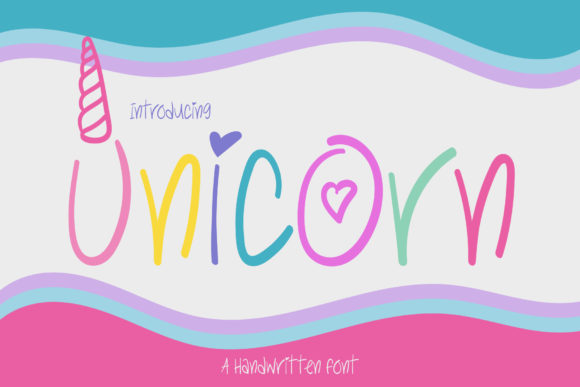
Unicorn has a soft, flowing rhythm that feels like a friendly greeting. Its curves are gentle, its lines are expressive, and its overall character is undeniably whimsical. It doesn’t shout; it whispers with charm. This makes it perfect for projects aimed at younger audiences or anyone looking to infuse a sense of joy into their work.
As I worked on the blog header, I experimented with different fonts, but none matched the personality of Unicorn. It added a touch of creativity without overwhelming the reader. The font’s natural flow made it ideal for headlines, pull quotes, and section titles, where a little flair can elevate the entire layout.
One of the first things I noticed about Unicorn is how it supports visual hierarchy. Its size and weight make it stand out as a display font, while still maintaining readability. When used in headers or cover text, it draws attention without being distracting. For longer sections of text, I paired it with a clean sans serif font, which provided balance and contrast.
For a recipe ebook I was designing, Unicorn worked beautifully as a title font. It gave the collection a personal, handcrafted feel that aligned with the theme of homemade meals and family traditions. I also used it for chapter openers, where its fluid style created a sense of continuity and warmth throughout the book.
In a wedding guide I was developing, Unicorn helped set a romantic, celebratory mood. It was especially effective for decorative accents, such as headings for tips or special sections. Its handwritten quality made the content feel more intimate, as if the reader was receiving advice from a close friend.
I also found Unicorn useful for printable planners and worksheets. Its friendly style made the pages feel less formal and more approachable, which was perfect for educational materials or self-care guides. When paired with a readable serif font for body text, it created a harmonious design that was both functional and visually appealing.
Readability was a key concern, especially since the blog would be viewed on mobile devices and printed as PDFs. Unicorn held up well on screens, maintaining clarity even at smaller sizes. For print, it added a unique texture that made the content feel more personal and engaging.
When working on a digital magazine layout, I used Unicorn for the cover and section titles. It complemented the modern typography of the publication while adding a touch of individuality. The font’s versatility allowed it to blend seamlessly with other design elements, making it a valuable addition to any editorial toolkit.
As a creator, I always check for font licensing details before using a typeface in commercial projects. Unicorn comes with clear commercial use rights, which is essential for anyone planning to sell templates, printables, or paid newsletters. It also includes multiple styles and alternates, giving designers flexibility in their layouts.
For those interested in branding, Unicorn can help establish a distinct identity. Whether it’s for a logo, social media graphics, or packaging design, its expressive nature adds a layer of personality that sets a brand apart. It’s not just a font—it’s a design choice that reflects a creative vision.
Overall, Unicorn is a versatile and charming font that brings a sense of fun and authenticity to any project. Its handwritten style makes it ideal for headers, titles, and decorative elements, while its readability ensures it works well in various formats. Whether you’re designing a blog, an ebook, or a printable guide, Unicorn offers a fresh and inviting way to communicate your message.
As I continue to explore new design opportunities, I find myself reaching for Unicorn more and more. It’s a reminder that thoughtful font choices can transform the way readers engage with content—making every word feel a little more special.